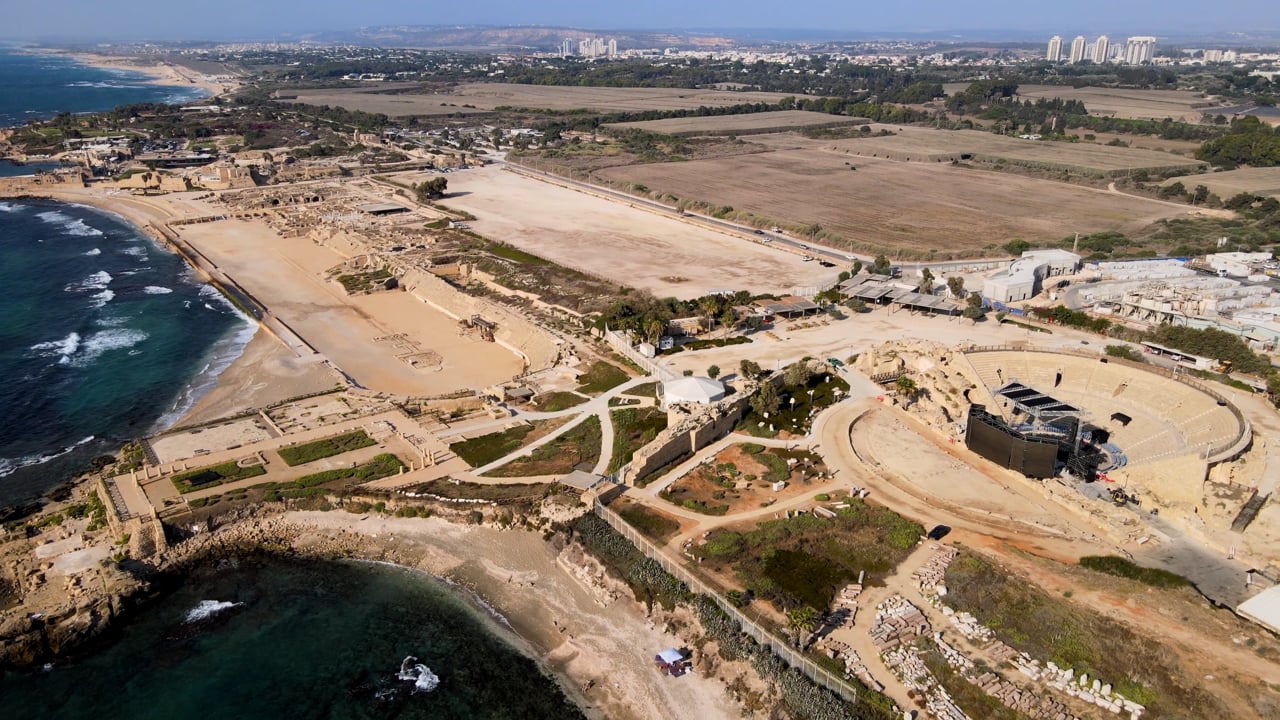
A shared calling

Life in Israelwith the Mehas.

Planting a church in Israel.

Walk with our family through prayer, friendship, and monthly support.

Become a monthly partner
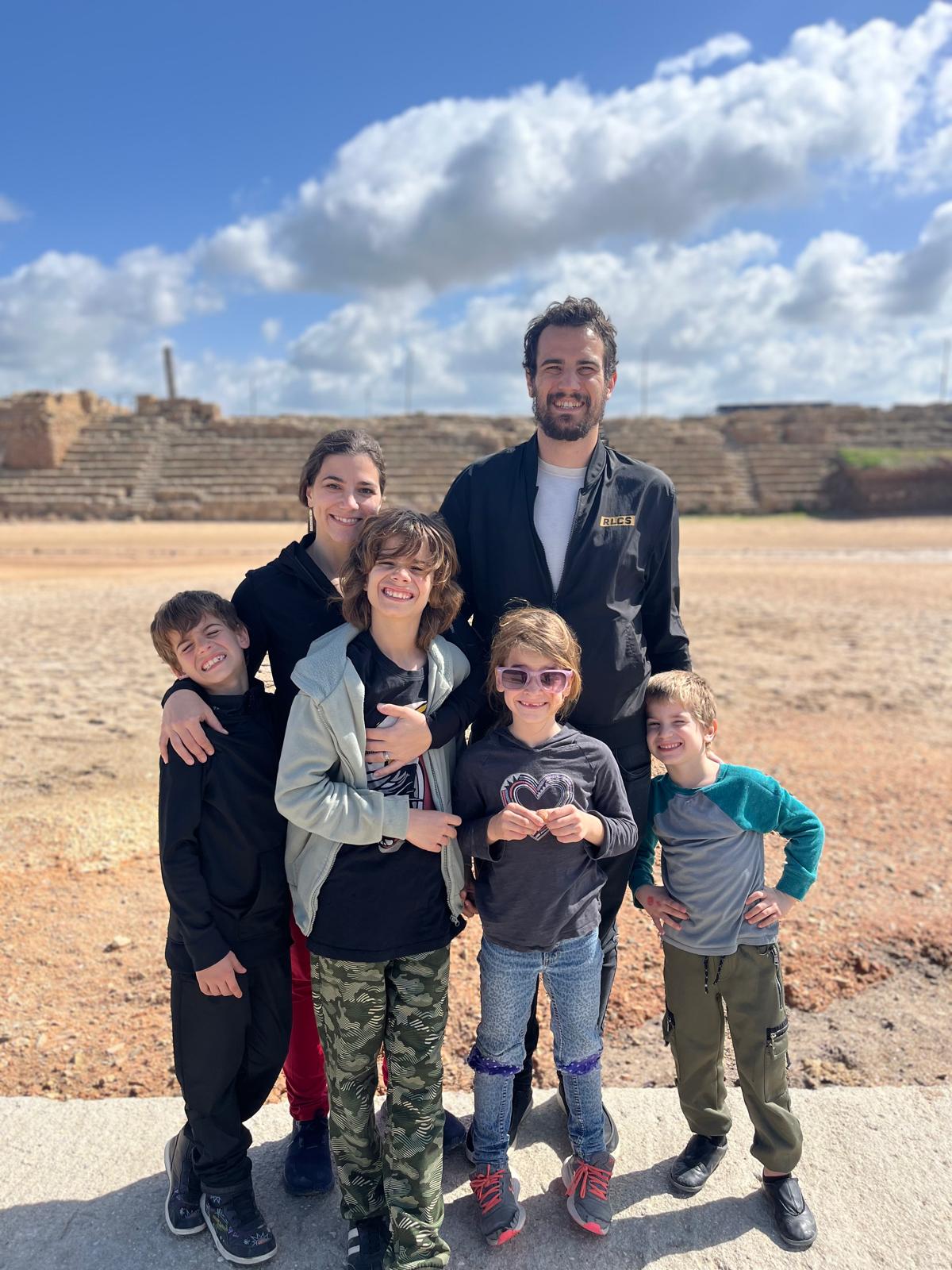
Our family of six together in front of ancient sandstone ruins
Making a home in Israel, together.

We want God’s story
to be our story.

We’re glad you’re here. Our journey has been years in the making, and we haven’t walked it alone.

  1. A calling became clear 2019

    We knew God was leading us to go, but we didn’t yet know when or where. In 2019, the next step became clear: Israel. We began preparing as a family to follow that calling and plant a church in Israel.

  2. Building a foundation 2019–2021

    We spent two years at Ethnos 360 Bible Institute in Wisconsin. The Bible was our textbook, with a special focus on sharing the gospel and doing ministry where there is no church.

  3. Preparing to make the move 2021–2025

    We knew our destination, but we were still learning how to get there. God led us to Live Dead, and churches and individuals came alongside us through prayer and support. Step by step, we prepared to go.

  4. Putting down roots 2025 to now

    Since arriving in Israel, our days have been full of Hebrew lessons, training with our team, helping our children navigate public school, and getting to know our neighbors. We’re learning how to understand this culture and love people well. Each of these steps is preparing us to plant the church.

We may be the hands and feet here, but every person and church who prays and gives shares in this ministry. We do ministry together, and we’d love for you to be part of the journey.
Understanding the people
we’re getting to know.

Israel’s spiritual landscape is more varied than many people imagine. Jewish identity can be deeply connected to family, culture, and history, alongside very different levels of religious practice.

Religious identity among Jewish adults aged 20+ in Israel · 2025 data

Select a percentage to learn more and pray with us.

Secular / not religious
Traditional, not so religious
Traditional-religious
Religious
Ultra-Orthodox
Source: Israel Central Bureau of Statistics · published September 2026. Listed categories total 99.3%.

Common themes in a secular worldview

Where our everyday relationships begin

Many of the people we expect to spend life with are secular or traditional but less religious. Those two categories together account for 61.4% in this snapshot. We want to listen well, understand each person’s story, and share what it means to know a God who is personally involved in our lives.

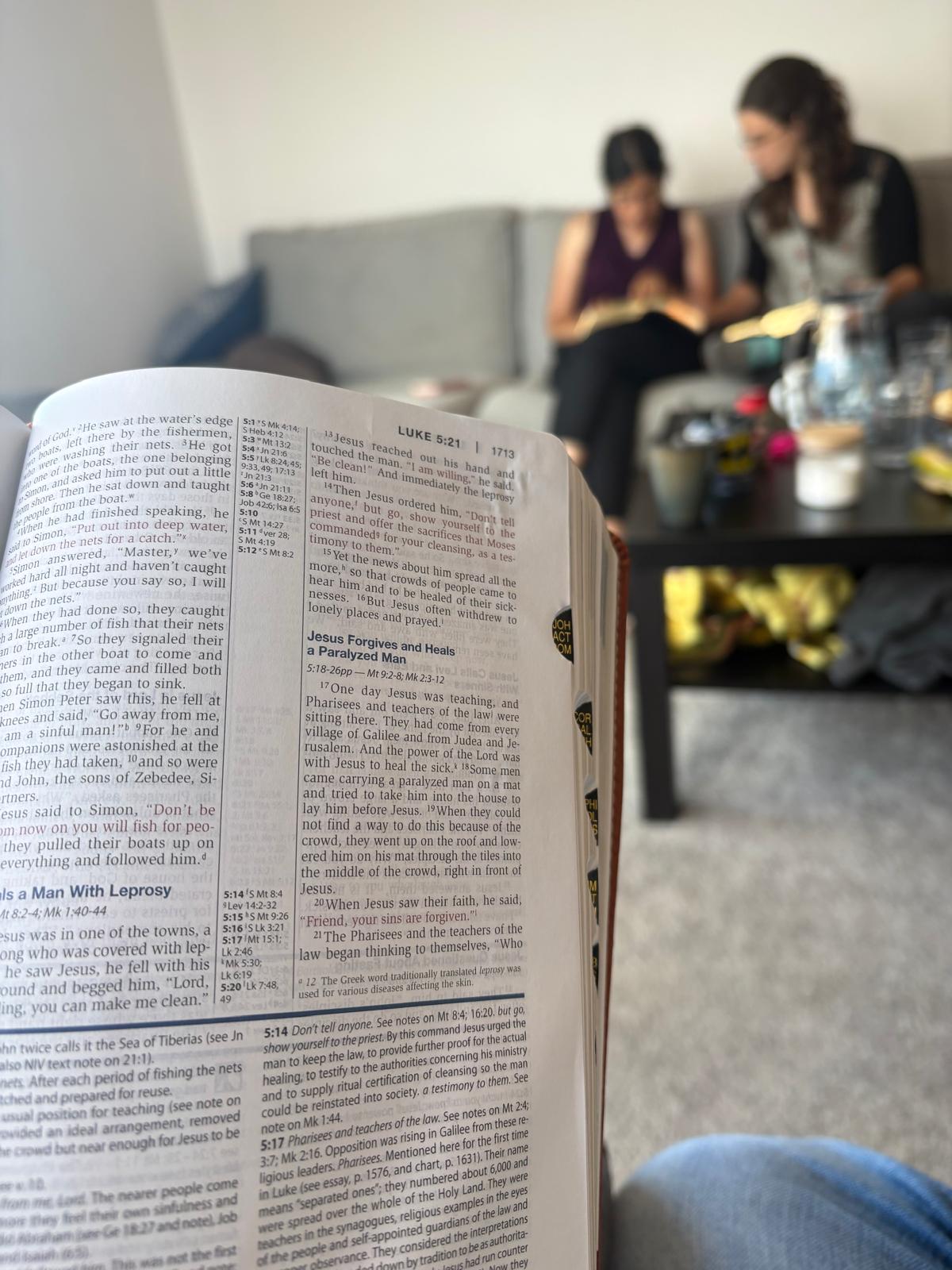
An open Bible in the foreground, with two people reading in the background
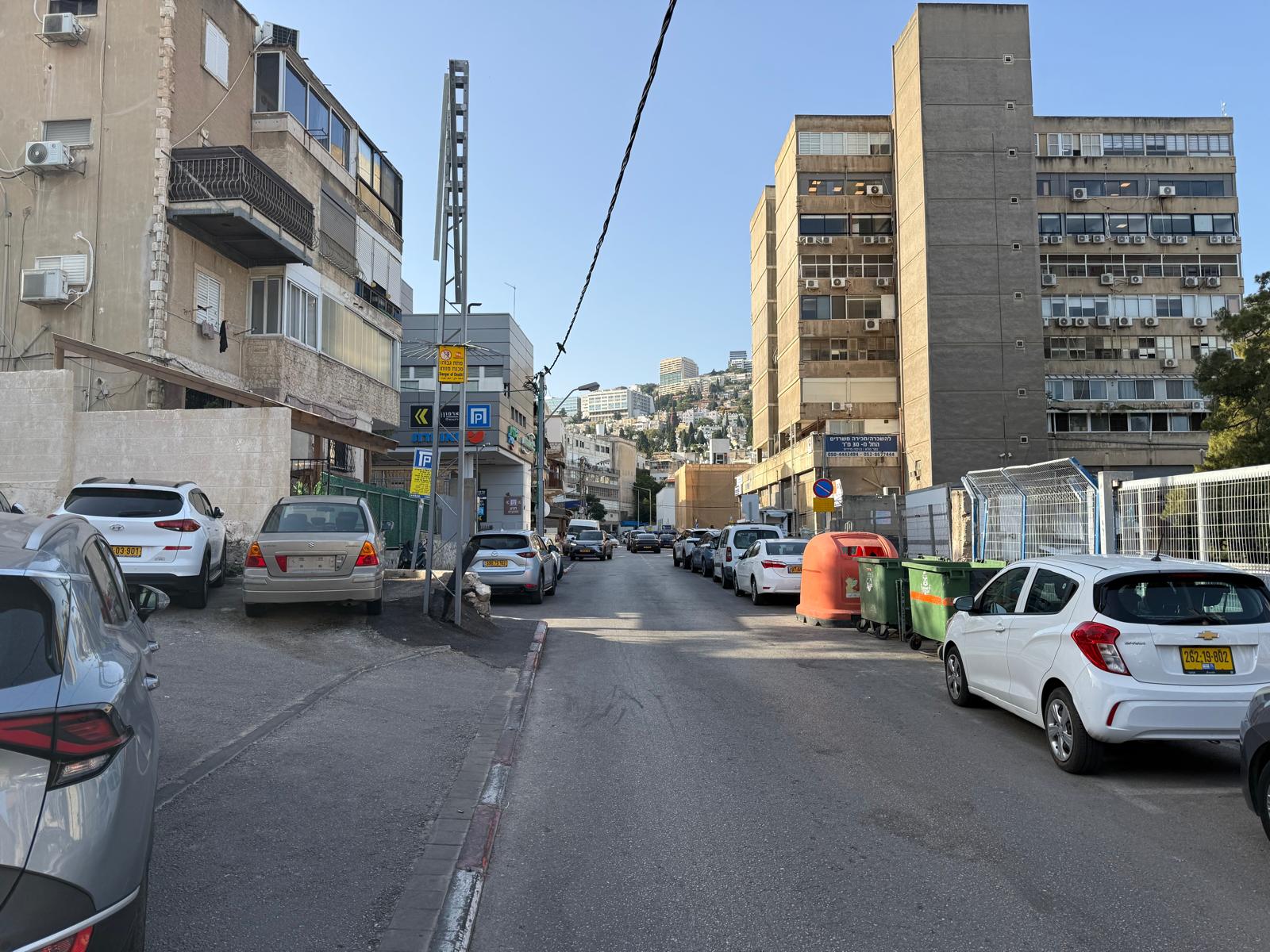
A neighborhood street in Haifa

Life in Israel

When we arrived in Israel, we knew we had a long journey ahead. Making a home in a different culture means learning more than a language. We want to understand how our neighbors see the world, what questions they carry, and how to love them well.

Living here through times of conflict and war gives us a glimpse into the struggles people face. Along the way, God has given us beautiful friendships, and we want to be faithful with every person He brings into our lives.

The main way we connect with people is through our home. We love inviting people to share meals, drink coffee, and share their lives and stories with us. This is a powerful way to connect with our neighbors and friends here in Israel.

Over coffee, around our table, and in everyday conversations, we hope to see a community grow: a community of people who love and follow Jesus.

Planting a church starts with people.

God has called our family to plant a church in Israel. We don’t yet know which town or community He will lead us to, or when we’ll be ready to begin. For now, we’re learning, building relationships, and praying for His direction. Please pray with us for the right place, the right timing, and hearts ready to hear about Jesus.

A shared meal, a conversation in Hebrew, or a friendship through our children’s school can be the beginning of something lasting. As we open our home and share everyday life, we hope to see a church take root: a community of people who know Jesus, grow in faith, and share His love. Your prayers and support help us prepare for that next step.

We do ministry together

You’re a part of this journey with us.

Your generosity supports our family’s life in Israel and the daily work of preparing to plant a church.

Whether you represent a church or want to partner personally, we’d love for you to join us in what God is doing.

Become a monthly partnerGive toward a project

Stay Connected

You may not be able to be here with us, but you are still a part of what God is doing. Receive our stories and prayer requests, or reach out to talk about partnering with us.

Keep me updated

Let’s connect.

We’d love to hear from you or your church.

Paul Meha

paulmeha@expatbazaar.com

Kristen Meha

kristenmeha@rebuiltruins.com

Listen to our story

Select a video to watch our story.

Life in Israel

The unlisted YouTube link is being connected in this Version 2 preview.

Hiloni · Secular Jewish identity

Secular / not religious

For many secular Jewish Israelis, being Jewish is closely connected to ancestry, culture, and belonging. Religious observance is generally lower, but some still celebrate Jewish holidays or keep selected traditions. Secular identity does not necessarily mean disbelief in God.

Pray With Us.

Pray for meaningful friendships, honest conversations about faith, and opportunities for our neighbors to encounter the love and hope of Jesus.

Pew Research Center · 2016

Masorti · The less religious part of a broad traditional identity

Traditional, not so religious

This category describes people who identify with Jewish tradition while calling themselves less religious. Family customs and heritage can matter deeply, without the same level of daily observance as Orthodox communities. Traditional identity is diverse and is not a single denomination.

Pray With Us.

Pray that family traditions open thoughtful conversations about God, and that we can share Jesus with humility, patience, and genuine love.

JPPI · 2023Pew Research Center · 2016

Masorti · The more religious part of a broad traditional identity

Traditional-religious

These Israelis describe their traditional identity as religious. They generally place more emphasis on religious practice than the less religious traditional category, while retaining a distinct Masorti identity. There is considerable variety in how individuals live out their traditions.

Pray With Us.

Pray for a deepening desire to know God personally, fruitful conversations about Scripture, and wisdom for us to speak about Jesus with respect.

JPPI · 2023Pew Research Center · 2016

Dati · Religious Jewish identity

Religious

Religious Jewish Israelis generally observe Jewish law, including Shabbat and dietary practices. Many combine this commitment with participation in wider Israeli society. This category is often associated with Orthodox Judaism and is distinct from the ultra-Orthodox category.

Pray With Us.

Pray for peace in families and communities, relationships built on trust, and opportunities to explore who Jesus is through respectful conversations about Scripture.

Pew Research Center · 2016

Haredi · Ultra-Orthodox Jewish identity

Ultra-Orthodox

Torah study, observance of Jewish law, and rabbinic guidance are central in Haredi communities. Many maintain distinct schools and community institutions. Haredi society includes different traditions and varying levels of engagement with wider Israeli life.

Pray With Us.

Pray for an encounter with the presence of Jesus, wisdom for Christians to build sincere, respectful relationships, and hearts that are open to conversations about Yeshua.

Israel Democracy Institute · 2024Pew Research Center · 2016